
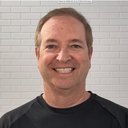
Met April 2026. Positioned himself as a sales/business consultant and proposed partnering in exchange for ~50% of Abnito — declined, not a fit. Off vibe. Abnito is a Bay Area tech company; will only ever consider technical co-founders, not a sales/operator partner taking founder-level equity. Keep at arm's length; may still be a peripheral intro source via his manufacturing affiliations (Magic Manufacturing, Wealthy Machinist) but not someone to engage as a partner.
Interactions 2
Summary
Flavius Pop (founder of Abnito.ai) met with Mike Jasper, an experienced operator/investor, to pitch his manufacturing knowledge-capture platform. The meeting covered the product, business model, fundraising plans, and a potential sales/advisory partnership with Mike. They agreed to meet in person the following Monday at 10AM at Plug and Play Tech Center in Sunnyvale.
Key points
- Flavius is building Abnito.ai — hardware devices + software platform that capture operator voice notes on factory machines, transcribe them, and use AI to categorize them (issues, shift handoffs, maintenance tasks, etc.)
- Current paying customer: "Debbie" — a machine shop with ~15 machines; deployed 10 devices; converted from pilot to paying customer ~4 months ago
- Second product layer: onboard accelerometer for predictive maintenance, combining sensor data with operator observations to catch anomalies earlier or alert non-expert operators
- Competitive angle: audio/voice capture for manufacturing operators is largely unaddressed — ERP typing and paper notes dominate; Zoom-style transcription hasn't reached the factory floor
- Also exploring phone/browser-based software-only deployment (no device required) as an alternative go-to-market
- Integration opportunity: meeting next week with Sellway (Bay Area CNC machine vendor) to automate service call workflows currently done via screenshot emails
- Feature highlight: PDF invoice upload → AI extracts repair/maintenance knowledge and integrates it with operator notes for audit-ready reports
- Pricing model: ~$50/month per device (one license per machine)
- Fundraising: raised $100K angel round ~1 year ago (SAFE, $5M cap, ~2% equity across 4 angels); planning to raise $500K at $10M cap (~5%) to hire 2 engineers and reach 10 customers
- Team: currently solo; previous cofounder left for Italy; part-time help didn't work out; no salary drawn (teaching position at Northeastern pays rent)
- Mike's background: sold a large Bay Area machine shop for significant profit; has investor background (including a lab diamonds company — noted as largest); interested in both sales partnership and potentially investing
- Mike offered to help with sales — Flavius expressed preference for a commission/partnership structure rather than base salary given cash constraints
- Flavius's target customer progression: start with 20–30 machine shops to iterate, then scale to 100+ machine shops
- Background: PhD in MEMS/ultrasonic devices (Northeastern), 4 years at Apple working with semiconductor fabs — manufacturing pain point is personal
Decisions
- Meet in person Monday at 10AM at Plug and Play Tech Center (Sunnyvale)
- Flavius open to commission-based sales partnership with Mike rather than salaried role
- Hiring priority: embedded/systems engineer (hardware + software) over pure software engineer
Action items
- Mike — send calendar invite / confirm Monday 10AM meeting at Plug and Play
- Mike — send link to his website once it launches
- Flavius — send Mike address/details for Plug and Play via text/email (flavius@abnito.ai)
- Flavius — deliver updated device (v3) to Debbie
- Flavius — attend meeting with Sellway (CNC vendor) next week
Follow-ups / open questions
- What specific investment terms/structure would Mike consider? (investing vs. sweat equity vs. commission — not resolved)
- How much can Mike realistically drive in sales, and how fast? Flavius uncertain about revenue potential
- Whether to reduce fundraise target if Mike comes on board (Flavius floated needing only one hire instead of two)
- Hiring plan: internship-to-full-time pathway discussed but not finalized
- Mike's connection to the lab diamonds company — potential relevance to Abnito unclear, noted as high-signal by Flavius
Summary
Summary
Flavius Pop (founder of Abnito.ai) met with Mike Jasper, an experienced operator/investor, to pitch his manufacturing knowledge-capture platform. The meeting covered the product, business model, fundraising plans, and a potential sales/advisory partnership with Mike. They agreed to meet in person the following Monday at 10AM at Plug and Play Tech Center in Sunnyvale.
Key points
- Flavius is building Abnito.ai — hardware devices + software platform that capture operator voice notes on factory machines, transcribe them, and use AI to categorize them (issues, shift handoffs, maintenance tasks, etc.)
- Current paying customer: "Debbie" — a machine shop with ~15 machines; deployed 10 devices; converted from pilot to paying customer ~4 months ago
- Second product layer: onboard accelerometer for predictive maintenance, combining sensor data with operator observations to catch anomalies earlier or alert non-expert operators
- Competitive angle: audio/voice capture for manufacturing operators is largely unaddressed — ERP typing and paper notes dominate; Zoom-style transcription hasn't reached the factory floor
- Also exploring phone/browser-based software-only deployment (no device required) as an alternative go-to-market
- Integration opportunity: meeting next week with Sellway (Bay Area CNC machine vendor) to automate service call workflows currently done via screenshot emails
- Feature highlight: PDF invoice upload → AI extracts repair/maintenance knowledge and integrates it with operator notes for audit-ready reports
- Pricing model: ~$50/month per device (one license per machine)
- Fundraising: raised $100K angel round ~1 year ago (SAFE, $5M cap, ~2% equity across 4 angels); planning to raise $500K at $10M cap (~5%) to hire 2 engineers and reach 10 customers
- Team: currently solo; previous cofounder left for Italy; part-time help didn't work out; no salary drawn (teaching position at Northeastern pays rent)
- Mike's background: sold a large Bay Area machine shop for significant profit; has investor background (including a lab diamonds company — noted as largest); interested in both sales partnership and potentially investing
- Mike offered to help with sales — Flavius expressed preference for a commission/partnership structure rather than base salary given cash constraints
- Flavius's target customer progression: start with 20–30 machine shops to iterate, then scale to 100+ machine shops
- Background: PhD in MEMS/ultrasonic devices (Northeastern), 4 years at Apple working with semiconductor fabs — manufacturing pain point is personal
Decisions
- Meet in person Monday at 10AM at Plug and Play Tech Center (Sunnyvale)
- Flavius open to commission-based sales partnership with Mike rather than salaried role
- Hiring priority: embedded/systems engineer (hardware + software) over pure software engineer
Action items
- Mike — send calendar invite / confirm Monday 10AM meeting at Plug and Play
- Mike — send link to his website once it launches
- Flavius — send Mike address/details for Plug and Play via text/email (flavius@abnito.ai)
- Flavius — deliver updated device (v3) to Debbie
- Flavius — attend meeting with Sellway (CNC vendor) next week
Follow-ups / open questions
- What specific investment terms/structure would Mike consider? (investing vs. sweat equity vs. commission — not resolved)
- How much can Mike realistically drive in sales, and how fast? Flavius uncertain about revenue potential
- Whether to reduce fundraise target if Mike comes on board (Flavius floated needing only one hire instead of two)
- Hiring plan: internship-to-full-time pathway discussed but not finalized
- Mike's connection to the lab diamonds company — potential relevance to Abnito unclear, noted as high-signal by Flavius
Transcript
Speaker 0: Hello. Hi, Mike. This is Flavius. I saw your message. Speaker 0: Good to meet you. How are you? Speaker 0: Yes. Yes. It's been pretty useful for her so far. So, yeah, we are excited. Somebody Speaker 0: wants what we are building. Speaker 0: Yeah. Speaker 0: Exactly. Speaker 0: Yeah. So I Speaker 0: yeah, I saw your profile. I I and your message that you you you had a big machine shop here in the bay and that sold, Speaker 0: for quite the profit, Speaker 0: like, yeah, a few years. Speaker 0: So how did that go? Speaker 0: Okay. Speaker 0: That's pretty cool. Speaker 0: Oh, wow. Okay. Speaker 0: Yeah. I would love that. Yeah. It'll be good to meet in person, but I can give you an overview of what we are doing. Speaker 0: So we have those devices that we install on different machines in a factory, and you've seen one of the earliest prototypes Speaker 0: that Debbie has. I I still need to give her a new, more compact, modern version. I'll call you. Like, I think it's version three now. Speaker 0: And the idea is the Speaker 0: idea is to start capturing knowledge from operators because those operators Speaker 0: in many industries and across the globe, it's a problem. Like, they are gonna retire, and there is less and less, Speaker 0: new skilled people Speaker 0: to to take over this kind of jobs. You know? Everybody wants to do software AI. Speaker 0: Then we we forget how to manufacture and then, okay, we lose the Speaker 0: an advantage here in The US, especially where we don't know how to manufacture anymore in general. You know? There are exceptions. There's a lot of good factories here. But, like, if we look at Asia, Speaker 0: like, it's it's so it's like, they're winning now in manufacturing. Right? Speaker 0: And and, of course, even in Asia, it's it's local to a few cities Speaker 0: and or countries. It's not, like, everywhere, Speaker 0: but still, Speaker 0: it's much more than US. Speaker 0: So that's the first thing we wanna do, capture knowledge and try to feed it back to the factories in a way that is really useful. Speaker 0: So one thing that now Speaker 0: Debbie's Speaker 0: interface, Speaker 0: like the dashboard we have for her, it doesn't have yet, but we have a new version that we are gonna release to her soon, is that those nodes that are taken are presorted Speaker 0: as well. Speaker 0: Like, we have the AI that works in the back, and we bucketize those Speaker 0: notes in, like, Speaker 0: categories that are really useful. Like, okay. This is an issue. This is a message for the next shift. This is a routine maintenance task. And then you can action it in a better way. Speaker 0: And and and those categories are customizable per per factory Speaker 0: with a with just a few clicks. Speaker 0: Yeah. Yeah. That's I think that's the advantage here because we can integrate easily. So Speaker 0: we even Speaker 0: we are even talking with one of Speaker 0: the vendors here in the Bay Area of machines, Speaker 0: like CNC machines. Speaker 0: Probably, you know them, Sellway. Speaker 0: Oh, nice. Nice. Speaker 0: So, Speaker 0: also, through Debbie, I'm getting in contact with them. We're gonna have a meeting next week. But the idea is to integrate our system to call service Speaker 0: just in an easier way Speaker 0: with them. Because now they'd be sending them screenshots Speaker 0: from from our dashboard, sending them screenshots. Look. This is the test transcribed message. This is the error code. Speaker 0: And instead of doing emails, we can just automate that in a much better way. Speaker 0: So Speaker 0: yeah. So this is the first step, Speaker 0: of what we are doing. The second step is that we also have an accelerometer onboard in the device Speaker 0: to capture vibrations Speaker 0: from from the machines. Speaker 0: A lot of people are trying to do predictive maintenance, but Speaker 0: by by looking Speaker 0: just at sensor data. Speaker 0: But our approach is also to look at the observations from the operator and put those put two and two together, basically. Speaker 0: So train new AI models based on the notes that we get from the operator that could be interesting for Speaker 0: for what's for something going wrong with the machine. For example, they notice a strange noise or Speaker 0: or or anything Speaker 0: like that, and then look at also the signal from the vibration Speaker 0: to see if we could have predicted before, Speaker 0: either be able to predict earlier, like a few days earlier, maybe a week earlier. But, also, if we have a non expert operator that they on shift, Speaker 0: maybe they there is that same noise, but they don't understand what's going on because they're not expert. Speaker 0: So just being able to detect it even when it happens Speaker 0: and Speaker 0: give an alert, even that, I think, is valuable because Speaker 0: we might have a lot of non Speaker 0: experts, operators. Speaker 0: So in terms of accelerometer Speaker 0: data and sensor data, there's many startups out there, and there's also solution Speaker 0: in house, but there's not one dominant. Nobody has cracked this to make it work really well because it's super specific to a machine, Speaker 0: so it's not easy to scale. Speaker 0: While in terms of cap capturing knowledge from operators with audio, this is pretty unique. I haven't seen anything like that out there. Speaker 0: There are ERP systems, right, that machine shops use, and they have operators take notes into a system by typing into a keyboard Speaker 0: or just taking notes on paper. That's the most Speaker 0: dominant thing that I have seen out there. Speaker 0: There are, you know, audio notetakers from your phone. In fact, we are making ours the platform Speaker 0: more from the phone directly or from the browser. Speaker 0: So we could also compete on that side, so we don't necessarily need to install a device. Speaker 0: But, yeah, I haven't seen, you know, audio voice. You know, there's a lot of audio transcribes, Speaker 0: I'll call them, Speaker 0: for, you know, meetings on Zoom, on Teams, but it's nothing has Speaker 0: trickled yet to the manufacturing industry where I feel like there is a lot of need there as well. Speaker 0: Mhmm. Mhmm. Speaker 0: Yeah. Yeah. Exactly. Whatever it's the operators already used to press some buttons for the machine to operate, we'll put it right there. And and those devices are cheap, so we can make them cheap. Speaker 0: That's the idea. Speaker 0: Exactly. Press the button. Capture audio. Yeah. Speaker 0: And, you know, I'll tell you something better. You don't need two buttons because AI can solve that in the background. Like, you just talk into it, say any observation, Speaker 0: any note, and we make sure with software Speaker 0: to categorize in the right direction. This way, you only always need one button. Speaker 0: And that's where you stay flexible because what if a new category of type of information comes in? Then we'll need to put a third third button. Speaker 0: We don't want that. Right? Speaker 0: No. No. But that's what I thought initially. But then I saw you try to use those tools to classify and and and a separate type of notes, and it works great. And I said, okay. We don't need more buttons. Because I I actually can show you on Monday. I have a prototype with multiple buttons. That's how I started this. Speaker 0: Definitely still working it out, but, Speaker 0: ideally, Speaker 0: we will have a license per machine. So, basically, you get the box. That's one license, and it's, like, $50 a month per device, something like that. Speaker 0: Now, of course, if the machine shop is too small and they cannot afford them, maybe something can be Speaker 0: worked out. Speaker 0: But, ideally, we can get into bigger machine shops and not just work with the smaller ones. Yeah. Yeah. Speaker 0: Exit. Speaker 0: Yeah. Speaker 0: Yeah. Speaker 0: Yeah. Because even myself, when I spoke with the small ones, the ones you mentioned, the one four, five machines, Speaker 0: they they seem also more technology adverse. Speaker 0: Also, because they they kind of like to stay small because maybe they're a small family business and Speaker 0: they're they're not they they don't think Speaker 0: in growth terms as much. But Speaker 0: the the shops, the haptic. Speaker 0: Adjacent, so I have a semiconductor background. So during my grad studies, during my PhD in Boston, I used to work in clean rooms. Speaker 0: And then during my time at Apple, I was there for four years. I worked with a lot of external vendors that were clean rooms, Speaker 0: like semiconductor Speaker 0: labs and fabs. Speaker 0: So I know the pain that Speaker 0: I went through as a student to have to Speaker 0: maintain those machine, maintain the recipes, remember how to use the machines. It's very complicated. Speaker 0: And then the same problem I saw that the vendors, Apple vendors had. Speaker 0: So I said, okay. Be before we go we go jump right into solving something in semiconductor, Speaker 0: which is more difficult, Speaker 0: let's go to an adjacent Speaker 0: market that might have similar problems, and machine shop was the easiest to start talking to. Speaker 0: Yeah. Because you can get directly to the owner pretty easily even in machine shops with ten ten ten to 20 machines. So Speaker 0: that's what got us got me started. Speaker 0: Yeah. That's it. And I'm an electrical engineer by by training, and then I do a lot of software. Speaker 0: Yeah. Unfortunately, I'm back to one man. Speaker 0: I I was supposed to so I was supposed to have a cofounder, and my cofounder was a postdoc at Stanford. Speaker 0: He moved back to Italy, unfortunately, Speaker 0: for forever with his wife. It was a life decision, so we I started without him. Speaker 0: Then I had for a small period a Speaker 0: salesperson, Speaker 0: but that I think it's too early so far. Speaker 0: It's good to still do founder sales. Speaker 0: And then I had one friend that was able to help me part time a little bit with Softrite, Speaker 0: but Speaker 0: he has a full time job. He never jumped Speaker 0: full time with me. Speaker 0: So his Speaker 0: help that was partial, a few hours a week here and there was not good enough. It was more a distraction. And now with AI, I can just ask AI tool to do marginal work. You know? So I needed somebody, you know, full time concentrated to really help me and ship Speaker 0: features and products. Speaker 0: So now my goal so I raised an angel around 100 k, like, Speaker 0: a year ago. Speaker 0: That's when I started. But this pivot happened just end of last year. Speaker 0: When when we meet in person, I'll tell you more about the other application. It was a medical scribe. It was a totally different market. It didn't work out. I couldn't get to any customer, any pilot program. So end of last year, I pivoted this. It's closer to home, closer to my background. Speaker 0: And then we got Demi Debbie as first Speaker 0: pilot program, and she converted to full time customer. Speaker 0: So Speaker 0: that's where we are now. So this is four months in, basically. Speaker 0: And then my plan now is to raise to extend the angel round and and raise another maybe 500 k. Speaker 0: Initially, I thought I could get away with 200, but then I I open a spreadsheet, put numbers down, and it's like, okay. This is not getting me even one full time Speaker 0: person to hire. Speaker 0: So with 500 k, I feel like I'm more like could get two full time Speaker 0: engineers, one more hardware, one more software, and that's what I need to Speaker 0: be able to hand them over all the technical work I'm doing, essentially be able to supervise them because I'm technical, and I know if they do a good job or bad job. Speaker 0: And this way, I can I can focus on just getting more customers? Speaker 0: Because my my objective with this 500 k raise is to get to 10 customers. Speaker 0: So last time I raised the honest you know, are you familiar with the YC saves, Speaker 0: the convertible notes from yeah. So I used those saves at the cap of 5,000,000. Speaker 0: And now since I've made all the progress, I'm thinking to just double that to 10,000,000. So 500 k would be 5%. Speaker 0: That that's my goal. Then let's see if it goes through. Speaker 0: I see. In what terms would you take over the sales? Speaker 0: Yeah. Speaker 0: Yeah. Absolutely. That's totally right. Speaker 0: Oh, nice. Speaker 0: Oh, Speaker 0: okay. Now now this changes the things because that's also another problem. I don't have much money to even pay a salesperson. Right? So Speaker 0: so I was Speaker 0: I like more the idea of, like, kind of a partnership where Speaker 0: maybe, Speaker 0: you know, if a lot of cells come in from from you, then we can talk. Speaker 0: Maybe percentage is there, you know, like, instead Speaker 0: of, like, having to pay a base or something. Speaker 0: Yeah. Speaker 0: Oh, it's it's already pretty workable. I'm just working on a new version on a, like, better platform, Speaker 0: better user experience. Speaker 0: I have 10 prototypes now that Speaker 0: the PCB inside, it's fully assembled in China. Speaker 0: So it came to me. I have to do some reworks, but it's it's pretty good. And I then I printed the enclosure here in my garage. Speaker 0: So I just assembled the 10 of them here. Next step for me is to have them assemble and print the enclosure as well. Speaker 0: So I'm gonna interact with one of their teams out there. Speaker 0: So it's getting closer Speaker 0: and closer, you know, to automation and mass I will call it mini mass production. Speaker 0: If we were to deploy just the software and take notes from the phone, that's already ready to go. You know? Speaker 0: But it depends how like, if we get the customer potential customer, Speaker 0: would they want to scale Speaker 0: to 10 machines already, or maybe are they okay? We start with one machine Speaker 0: and then, okay, then one machine, it just takes one device. I have 10, so that's easy to do a pilot. Speaker 0: With Debbie, we did directly 10 devices, Speaker 0: for example. Speaker 0: So that I went back in my garage and had to, like, put those devices together because those are not were not even assembled in in China. It was fully made at home. Speaker 0: So Speaker 0: Okay. Speaker 0: Okay. Speaker 0: Yeah. Speaker 0: Yeah. Speaker 0: Got it. Okay. That sounds pretty interesting to me. Okay. Speaker 0: The part so I just wanna so I'm I have been burned a little bit with a few people that Speaker 0: were also semi retired, and they told me, oh, I don't need to work. Speaker 0: But it seems that your case is different because Speaker 0: you really made successful companies, Speaker 0: and you really want to still make something success successful. Speaker 0: While the other two people Speaker 0: yeah. Speaker 0: Yeah. Yeah. So so when I work with them, I was like, okay. They are Speaker 0: Jensen from NVIDIA kind of style, but they were not. Speaker 0: So Speaker 0: I so if we get together and we work Speaker 0: yeah. Speaker 0: Exact okay. I like that. I like that. I hear that because I want you to be kind of I want I look at you, and I want you I want to see Jason from Jensen from NVIDIA. You know? Not somebody who just retired and, like, okay. He want they want to make a buck. Speaker 0: Because that's not the case for you, definitely. Speaker 0: Okay. Okay. Good. Speaker 0: I think in the beginning for the next 10 customers, it's good to start with Speaker 0: maybe Speaker 0: not too small, but maybe a little bit bigger than Debbie. Like, so Debbie has, what, 15 machines, and then, say, we go to twenty, thirty machines Speaker 0: to still iterate Speaker 0: in the first 10 product in the first 10 customers to get the the the Speaker 0: product to, like, perfection, close to perfection or, like, to very usable, doesn't break or anything like that. Such that we can when we go to the big customer, a 100 machines, Speaker 0: we don't blow it. Yeah. So that's Speaker 0: yeah. Speaker 0: Something. Speaker 0: I know. I know. Speaker 0: Yeah. Yeah. And, you know, we added some features that she asked for. Like, I learned from her some of the needs because, Speaker 0: you know, when the technicians Speaker 0: come in Speaker 0: and repair a machine or they do maintenance, Speaker 0: they give you, like, you know, a receipt, like an invoice. Okay? So in the invoice, you have the the payment, but also you have the description of the problem and the description of the solution. Speaker 0: So what we build on the website, on the platform is a way to upload this PDF, and then AI extracts Speaker 0: this information Speaker 0: about the machine. And it goes back with all the other notes. Speaker 0: So that's, again, another bucket where we put notes from invoice. Speaker 0: And this is a lot of knowledge. Like, she gave me for last year, I don't know, like, Speaker 0: 30 invoice or something like that. That was all useful information, and we put that in a report with all the notes from the operator, and then she can give to the auditor, for example. Speaker 0: She can show, oh, look how much stuff we do for our machine. We are trying to really be good about quality control. Speaker 0: And usually, these invoices are Speaker 0: I'm sure people store them somewhere. Speaker 0: It's just the information is not reused Speaker 0: somehow because there's a lot of learning that people have done through all these repair orders or maintenance orders. Speaker 0: Yeah. When when do you have time to meet? Next next week sometime? Speaker 0: Where are you based right now? Speaker 0: Oh, me too. Speaker 0: Yeah. I have my desk at Plug and Play Tech Center. Yeah. Speaker 0: Yes. Speaker 0: Exactly. Speaker 0: Yes. Tomorrow, Speaker 0: I only have a meeting two to 02:30. Speaker 0: So we can meet in the morning or later in the afternoon. Speaker 0: Sorry. Sorry. I meant Monday. Speaker 0: Sometimes Speaker 0: I do forget Speaker 0: it's a Saturday, but I do have a wife that tells me to stop working. So Speaker 0: yeah. Speaker 0: Nice. Speaker 0: Thank you. I thank you twice because it's me, the web designer. Speaker 0: Yeah. I Speaker 0: yeah. So you usually, I build myself. You know? In high school, I learned to build website. I used to copy the webmaster, Speaker 0: and the tools have changed so much since then. I had the gap, you know, in not updating with the tools because I've been doing hardware and electrical engineering for most of the time. Speaker 0: But then I came back, and I learned the new tools. Oh, it's all cool. Then AI comes along, and it's like, oh my god. They just gave me a Ferrari. You know? I can just, like, drive so fast. Speaker 0: Oh, nice. Speaker 0: Okay. Speaker 0: Oh, nice. Send me the link after that once you launch it. Speaker 0: Yep. Yep. Speaker 0: Let's say 10AM. Speaker 0: You can come here at plug and play. I'll send if you already know where it is, I don't need to send you the address, but I can just send you via via text. Speaker 0: Mhmm. Speaker 0: It's Flavius, Speaker 0: flavius,@Abenito.ai. Speaker 0: Yep. Speaker 0: A b n I t o Speaker 0: dot a I. Yep. Speaker 0: Mhmm. And now you have to do it's like the .com bubble all over again. You have to do AI. Speaker 0: I have the domain. Speaker 0: Yeah. If you do abnito.com, Speaker 0: it will just redirect to .ai. Speaker 0: So I have both Speaker 0: just in case people Google. Yeah. Speaker 0: Yeah. Speaker 0: So Speaker 0: it's short. It's like a compressed version of the Latin Speaker 0: phrase, which Speaker 0: means from first principle. Speaker 0: So Speaker 0: I just Speaker 0: no. Which Speaker 0: means from first principles. Speaker 0: Yeah. Yeah. So I just like the idea that everything we build at the company Speaker 0: needs to be taught from first principles. You need to go there, talk to customers, really understand their need, and then build from there. Speaker 0: Not from just the top where, okay, you have a nice idea. You're a smart engineer. You build something cool, then nobody wants it after that. Speaker 0: Mhmm. Speaker 0: I love it. Yeah. Speaker 0: Thank you. And, yeah, I would love to learn all this from you. So Speaker 0: absolutely. Speaker 0: Yeah. Including sales, people management. I think that you have a lot of experience with all those. So, Speaker 0: yeah, we love to to see. Speaker 0: Yeah. Speaker 0: It's concrete. It's practice. It's not theory. Speaker 0: Yeah. Speaker 0: Yeah. How fast we go. Yeah. Yeah. Speaker 0: Nice. Nice. I like it. Speaker 0: The other thing before I let you go, because you mentioned in your message both to the voice mail and the website message. By the way, thank you for using the form in the website. Speaker 0: I I really appreciate it. Then that it's some interesting work to to have that form because I get notification via email Speaker 0: as well. So and I then have a back end platform where I saw all people reaching out Speaker 0: via the website. But, anyway, Speaker 0: you mentioned that you also Speaker 0: do investment. Speaker 0: So what Speaker 0: type of investment do you do? Speaker 0: Okay. Speaker 0: Wow. Amazing. Speaker 0: How much equity do you have there? Speaker 0: Okay. Speaker 0: Right. Because you got dilution, I imagine, with the next round when the VC is gaming. Right? Speaker 0: Yeah. Speaker 0: Yeah. Speaker 0: Mhmm. Speaker 0: Got it. Okay. Speaker 0: Yeah. Yeah. Speaker 0: That's interesting. Yeah. I'm not sure how much cash flow that we can bring in, so that's what I'm curious to learn and experiment with you. Definitely. Speaker 0: Yeah. So far, I mentioned that I give Speaker 0: what did I give? 2% for a 100 k. Right? So that was the 5,000,000 cap. So that was not too bad with the four angels I raised from. Speaker 0: Yeah. I'm wondering if maybe then I should Speaker 0: well, let's talk talk definitely more next week, but maybe with you onboard, then maybe I can only need to hire maybe another person to help me. Speaker 0: And maybe in the beginning, it can be some smart new grad intern as well and then transition them to full time so you can save a bit of cash there as well. Speaker 0: You Speaker 0: know, I'd like so now I think software engineers are done, first of all. Speaker 0: So if I can bring in Speaker 0: some Speaker 0: kind of system level engineer that knows a bit of hardware and need a bit of electrical, Speaker 0: then the softer part, they can also do a little bit. Then with AI tools, they can be like a superhero. Speaker 0: You know? They can be super very good Speaker 0: at at helping in different aspects of the product. Speaker 0: Manufacturer Speaker 0: manufacturer will be too specific. Speaker 0: Yeah. A few more engineer. Embedded embedded software engineer. Kind of something like that. Speaker 0: Yeah. Speaker 0: Yeah. Speaker 0: Got it. Speaker 0: I see. Okay. Okay. I can do that. Speaker 0: The other thing is that for me, for myself, I still Speaker 0: I don't wanna just be, like, technical CTO. I wanna learn all the business side. So that's why I also started doing this and not just to join another start up. Like, I wanna grow with the start up. So I wanna learn Speaker 0: to do the sales. I learn how to I wanna learn how to manage Speaker 0: bigger teams, bigger awards as the company grows. Yeah. Speaker 0: Yeah. Speaker 0: Oh, yeah. Of course. Cadence is the well, Kate, I just finished. Speaker 0: Okay. I have a lot to tell you next week, but I also have a small position at the university as a professor. Speaker 0: That's what actually paid the rent pays the rent. I'm not drawing any money from the company in terms of salary. Speaker 0: And Speaker 0: with another professor there, he was holding a tape out class Speaker 0: for students, Speaker 0: and I was learning with them because I didn't have that tape out background. Speaker 0: So we use Cadence, and, you know, Cadence is the leading the standard Speaker 0: in industry, but it's such an old software. Speaker 0: Really? Speaker 0: Wow. Speaker 0: Okay. Okay. Speaker 0: You know Cadence is is ready for disruption. Speaker 0: Don't tell him this. Speaker 0: Be because Speaker 0: and probably he knows it. Speaker 0: Yeah. Speaker 0: Wow. Okay. Speaker 0: Oh, Speaker 0: okay. Yeah. Speaker 0: Yeah. Speaker 0: Interesting. Speaker 0: I love that. That's what I need. That's what I really need. Yes. Yes. You see? Speaker 0: I see. Okay. Good. Good. Good to know. You know, I I love the growth part because Speaker 0: it's not just about the the money in the beginning to okay. Let's make a few bucks, a few millions here. It's it's about Speaker 0: growing because Speaker 0: I didn't, you know, leave a big tech company Speaker 0: in my mind to just make a little bit of, oh, maybe more income. Oh, the freedom from the your boss. You always have a boss. Your customer is gonna be the boss. So I have more bosses now than ever before probably. Speaker 0: But it's Speaker 0: it's just to make something massive. You know? That's why I also came to Silicon Valley. All the inspiration from all the big tech companies. So that's what I wanna do, and it seems that you also wanna do that. Speaker 0: So Speaker 0: that's good. That's good. Speaker 0: Yeah. Speaker 0: Yeah. I Speaker 0: the health part is really important. I I had Speaker 0: well, we could talk more about it later. But during Speaker 0: after I finished my PhD and came here in The Bay to start at Apple, Speaker 0: basically, what happened is that all the stress I accumulated during my years and the stress that I thought I never had, Speaker 0: it all released all of a sudden when I started Apple. I had a big Speaker 0: health issue. Speaker 0: But then as I I was relaxing, Speaker 0: going hiking, it all went back to normal. So I I do pay attention to that. It's very important to Speaker 0: to be healthy. Otherwise yeah. Speaker 0: So it's Friday too. Yeah. Speaker 0: Yeah. Yeah. I Speaker 0: totally understand. Yeah. You know, I I even went to a temple here in Speaker 0: in Saratoga, Speaker 0: the Hakone Gardens. I want them to meditate every Speaker 0: every Speaker 0: like, Sunday morning at 9AM, they do it. I had to do it, like, for a long time and all sorts of other help. So Speaker 0: yeah. Yeah. Speaker 0: No. That's like a temple, a Buddhist temple. Speaker 0: Like, one of those Zen temple. Speaker 0: Hakonagara is those Japanese gardens in it's nonreligious, Speaker 0: I would call it. Yeah. Non Speaker 0: I guess Buddhism is a religion, but, you know, they're all about spiritualism Speaker 0: and Speaker 0: not necessarily any affiliation. Speaker 0: That's what I like about it. Speaker 0: Great. Great. Speaker 0: Yeah. Yeah. I know. I know. And I feel like, yeah, I, Speaker 0: yeah, was electrical engineering. So electrical and computer engineering at Northeastern University, Speaker 0: and that's also where I'm a I have the teaching the sorry, the research position because they bought the campus here in Oakland from Mills College. Speaker 0: So they I actually, I should have you have a visit there at some point. Anyway, my PhD was in in MEMS devices, electromechanical systems, Speaker 0: like the gyroscopes Speaker 0: and, like, accelerometers. Speaker 0: Those are those type of devices. Speaker 0: But in my case, particular, it was Speaker 0: ultrasonic devices, Speaker 0: schizolectric micromachine Speaker 0: ultrasonic transducer or PMATs. Speaker 0: And Speaker 0: those you can use for different kind of things. Like, nowadays, Speaker 0: the most common product you would know of is, like, in those robot vacuums Speaker 0: that you can sense track the distance from a wall. So, like, range sensors. Speaker 0: So those are those are very common product. Speaker 0: You can do ultrasonic imaging. Speaker 0: Like, all you might know Butterfly Speaker 0: Networks or, like, Echo. Those are the two big public companies that have ultrasonic probes portable. So those are the devices that Speaker 0: I developed during my PhD. So that's Speaker 0: diff different ones. It looks more academic. Speaker 0: The other applications, Speaker 0: fingerprint sensor Speaker 0: that you can do. Speaker 0: What I tried to do during my PhD is like intra body communication. Speaker 0: So if you think of an implanted medical device like a pacemaker, Speaker 0: you could you usually have to have surgery to Speaker 0: to to charge the battery or change the battery, Speaker 0: But you could do ultrasonic charging. You can just transmit Speaker 0: power with those ultrasonic devices from Speaker 0: outside from just the skin and charge them like that. Speaker 0: And Speaker 0: and in the same way, you can also create a communication link with the ultrasonic Speaker 0: channel Speaker 0: and kind of get telemetry Speaker 0: data from the device or maybe update some Speaker 0: configurations. Speaker 0: It was more like futuristic vision, but the thing worked. Speaker 0: It's it's hard to commercialize something like that at this stage, but I think in the future, we're gonna have more and more implanted medical devices, and maybe this could be another company in the future where things you know, the market is more ready, something like that. Speaker 0: Exactly. Speaker 0: If they can do that, we can do this. So, yeah, they're actually microneedles. Speaker 0: The microneedles that go implanted in the in the Speaker 0: in the brain is pretty similar. It's like you the process is done in clean room, like in all semiconductor Speaker 0: facility. Right? So Speaker 0: it's it's the same Speaker 0: very similar steps. Speaker 0: Probably, theirs is even simpler. It's more about Speaker 0: optimizing Speaker 0: one Speaker 0: process to get those microneedles. Speaker 0: In our case, it's less sensitive, but you do have more steps. So it's a trade off. Speaker 0: Yeah. Speaker 0: Etching and deposition, Speaker 0: and we continue. Speaker 0: Absolute. Speaker 0: Yeah. Speaker 0: Got it. Speaker 0: Yes. Yeah. Speaker 0: Perfect. I like that. Okay. Speaker 0: Alright. Speaker 0: See you Monday. Have a good weekend. Speaker 0: Bye. Bye bye.